A Complete Winter Electrical Safety Checklist for Heating Systems
As the chill of winter settles over Connecticut, every Nutmegger knows the importance of a reliable heating system. Whether you live in a historic colonial home or a newly constructed property, staying warm is a top priority. But before the first major snowstorm hits the Southbury area, it is crucial to ensure the electrical components powering your heat are safe, up to code, and ready for the heavy lifting ahead.
At EV Charger Guys, we understand that your comfort and safety go hand in hand. While many homeowners focus on changing air filters or scheduling a mechanical tune-up for their furnace or heat pump, the electrical side of the equation is often overlooked. Your heating system relies on a complex network of wires, breakers, and switches to function properly. When these components are outdated or strained, it can lead to frustrating breakdowns on the coldest nights of the year—or worse, significant safety hazards.
In this guide, we will walk you through the essential electrical components of your HVAC system, answer common questions about home electrical capacity, and provide a comprehensive winter heating electrical safety inspection checklist to give you peace of mind this season.
Meeting Furnace Dedicated Circuit Breaker Requirements
One of the most common questions we hear from customers during the colder months is, "Why do my circuit breakers keep tripping?" Often, the answer lies in how your heating system is wired into your home's main power supply.
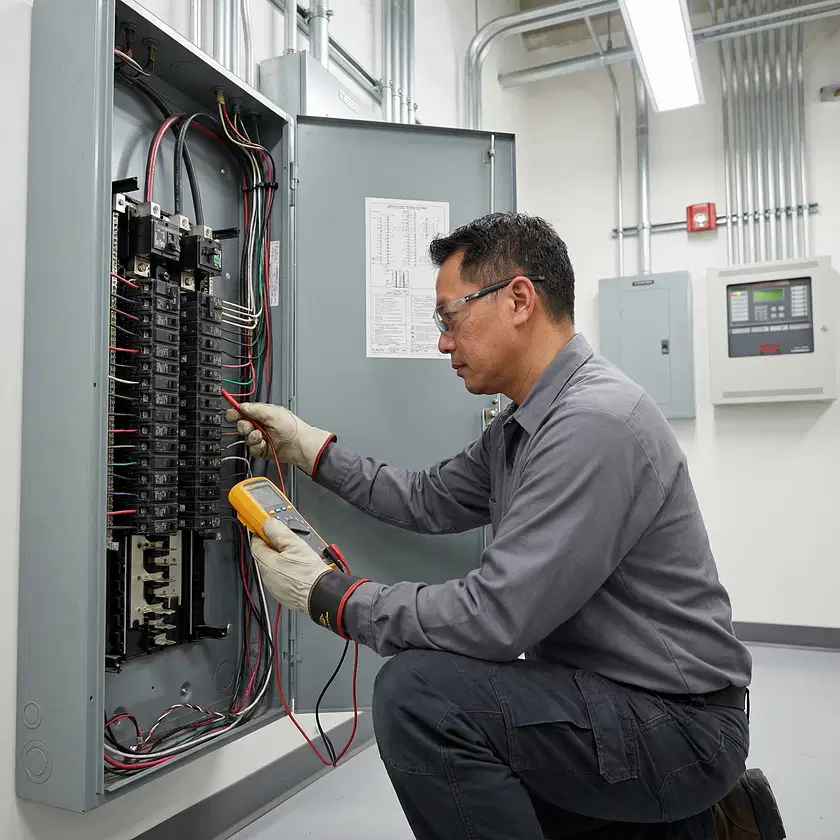
Modern heating systems, particularly high-efficiency heat pumps and forced-air furnaces, draw a significant amount of power upon startup. If your heating equipment is sharing a circuit with other heavy appliances, that sudden surge in electrical demand can overload the system and trip the breaker. This is why adhering to proper furnace dedicated circuit breaker requirements is an absolute necessity. A dedicated circuit ensures that your heating system has its own independent power source, reducing the risk of overloads, preventing tripped breakers, and protecting the sensitive internal electronics of your HVAC unit.
If you live in one of our area's beautiful historic homes, you might be dealing with an older electrical panel that simply wasn't designed for today's high-capacity electrical demands. How do you know if your home's electrical panel needs an upgrade? If you are constantly resetting breakers, noticing a burning smell near your panel, or planning to install a new heat pump, it is likely time for an assessment. Upgrading your infrastructure through professional electrical panel installation ensures that your home can safely handle your winter heating needs alongside all your other daily electrical services.
Inspecting Switches, Wiring, and Warning Signs
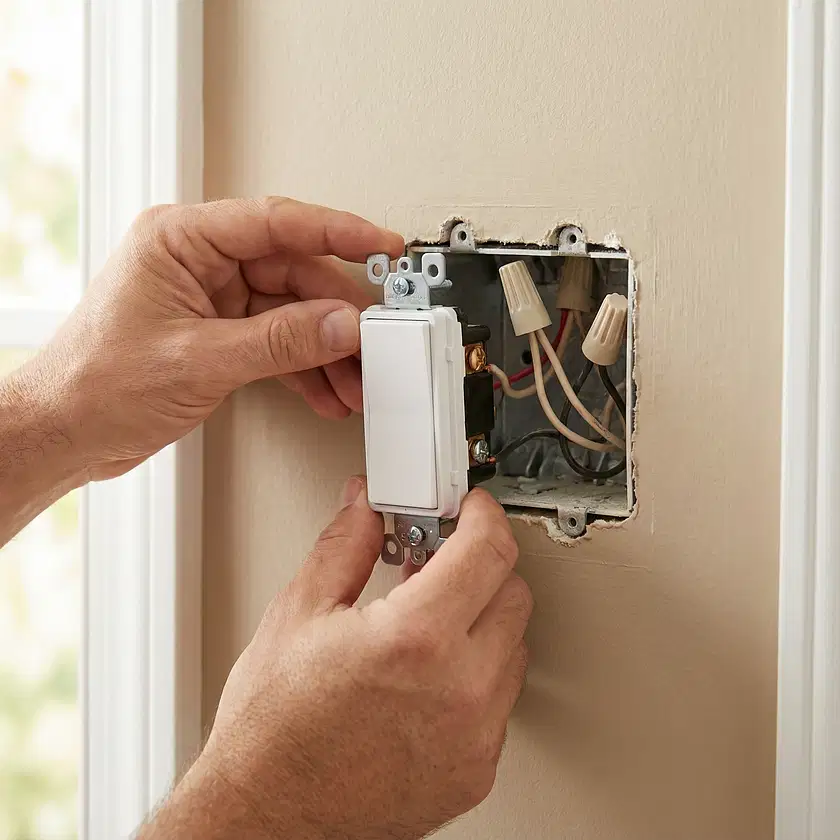
Beyond the breaker box, the direct wiring connected to your heating unit requires careful attention. A critical safety feature for any modern HVAC installation is the heating system electrical shutoff switch wiring. This switch is typically located within arm's reach of the furnace or boiler and allows a technician or homeowner to instantly cut power to the unit during an emergency or routine maintenance.
If this switch is wired incorrectly, bypassed, or damaged, it poses a severe risk during an electrical repair. Our team takes a meticulous approach to every job, ensuring that all shutoff switches and emergency disconnects pass strict National Electrical Code (NEC) inspections flawlessly the first time. We believe in doing the job right so you never have to second-guess the safety of your home.
As you prepare for winter, it is also important to be aware of the warning signs of faulty or dangerous electrical wiring. Keep an eye out for:
- Flickering or dimming lights when your heating system kicks on, which indicates a voltage drop.
- Discolored or warm outlets and switches near your mechanical room.
- Frayed or exposed wires around the unit itself.
- Buzzing or crackling sounds coming from your electrical panel or the furnace's internal wiring.
If you notice any of these signs, do not attempt a DIY fix. High-voltage electrical work is incredibly dangerous without the proper licensing, tools, and expertise. Always call a professional to evaluate the situation.
Your Winter Heating Electrical Safety Inspection Checklist
To help you stay ahead of potential issues, we have put together a winter heating electrical safety inspection checklist. While some of these items are visual checks you can perform yourself, others should be handled by a licensed professional during an annual service visit:
- Visually inspect the electrical panel: Check for rust, scorch marks, or any signs of moisture around the box. Ensure all breakers are clearly labeled.
- Test the shutoff switch: Verify that the emergency heating shutoff switch is accessible, clearly marked, and functions properly without sticking.
- Check for dedicated circuits: Confirm that your primary heating system is on its own dedicated circuit to prevent unexpected power drops.
- Examine visible wiring: Look for any loose connections, worn insulation, or pest damage on the wires leading to your furnace or heat pump.
- Test smoke and carbon monoxide detectors: Ensure these critical safety devices are hardwired properly with fresh battery backups in case of a winter power outage.
- Schedule a professional evaluation: Have a licensed technician verify that your system meets all current local codes and safety standards.
At EV Charger Guys, our core philosophy is built on delivering high-quality, reliable work that prioritizes client satisfaction and long-term safety. While our name highlights our passion for the future of transportation, our most booked jobs are actually HVAC electrical services. We know exactly what it takes to keep your home's climate control systems running safely and efficiently all winter long.
Don't wait until the first freezing night to find out your heating system's electrical wiring isn't up to the task. If you are experiencing tripped breakers, need a panel upgrade, or simply want the peace of mind that comes with a professional inspection, we are here to help. Reach out to us through our contact page today to schedule your winter safety assessment. Let's make sure your home stays safe, warm, and bright all season.