Hardwired vs Plug-In Home EV Chargers: Making the Right Choice
Transitioning to an electric vehicle is an exciting milestone that changes the way you think about driving. Instead of detouring to the gas station on your way home, you can simply pull into your garage, plug in, and wake up to a full battery. However, one of the first and most important decisions a new EV owner faces is figuring out exactly how to set up that home charging station. If you are a Nutmegger getting ready to ditch the gas pump, you are likely weighing the options and comparing a hardwired vs plug in ev charger.
Which option is best for your daily commute, your home's infrastructure, and your budget? The choice isn't always straightforward, as both methods offer distinct advantages and drawbacks depending on your living situation. At EV Charger Guys, we help homeowners navigate these choices every day, ensuring their homes are equipped safely and efficiently. Let's break down the differences between plug-in and hardwired EV chargers so you can make an informed decision for your property and enjoy the full convenience of electric driving.
The Flexibility of Plug-In EV Chargers
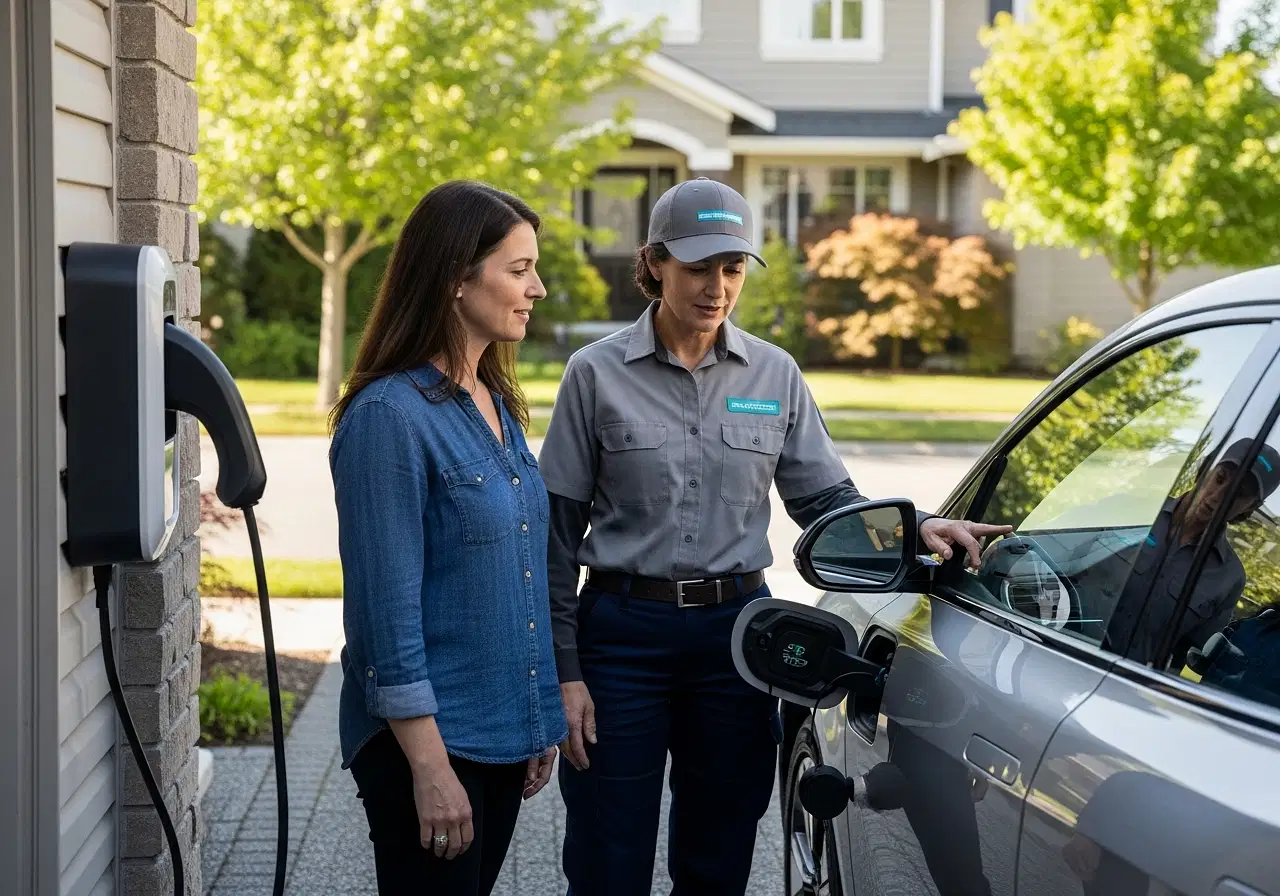
A plug-in EV charger operates exactly how it sounds: it plugs into a dedicated 240-volt electrical receptacle, very similar to the heavy-duty outlets used for electric clothes dryers or kitchen ranges. The most common outlet used for this purpose is the NEMA 14-50.
One of the main reasons homeowners lean toward a plug-in model is portability. If you decide to move to a new house, you can simply unplug the charging unit from the wall, pack it in a box, and take it with you. Additionally, if the charger itself ever malfunctions and requires replacement, swapping it out is as easy as unplugging a toaster.
However, when comparing a nema 14 50 vs hardwired charger, there are critical safety and operational factors to consider. An EV charger draws a continuous, heavy electrical load for hours at a time. Because of this, you cannot use a cheap, standard-grade receptacle. A high-quality, industrial-grade outlet is absolutely mandatory to prevent the receptacle from overheating, melting, or causing a fire hazard.
Furthermore, while some people hope a plug-in model will lower their overall electrical cost by avoiding a permanent installation, a new 240V outlet still requires professional electrical services. You will need a licensed electrician to run a dedicated circuit, install the proper heavy-duty outlet, and ensure everything meets strict code compliance. The National Electrical Code (NEC) also frequently requires GFCI (Ground Fault Circuit Interrupter) protection at the breaker for 240V garage outlets. Because many EV chargers already have built-in fault protection, doubling up with a GFCI breaker can sometimes cause nuisance tripping, cutting off your charge in the middle of the night.
The Reliability of Hardwired EV Chargers
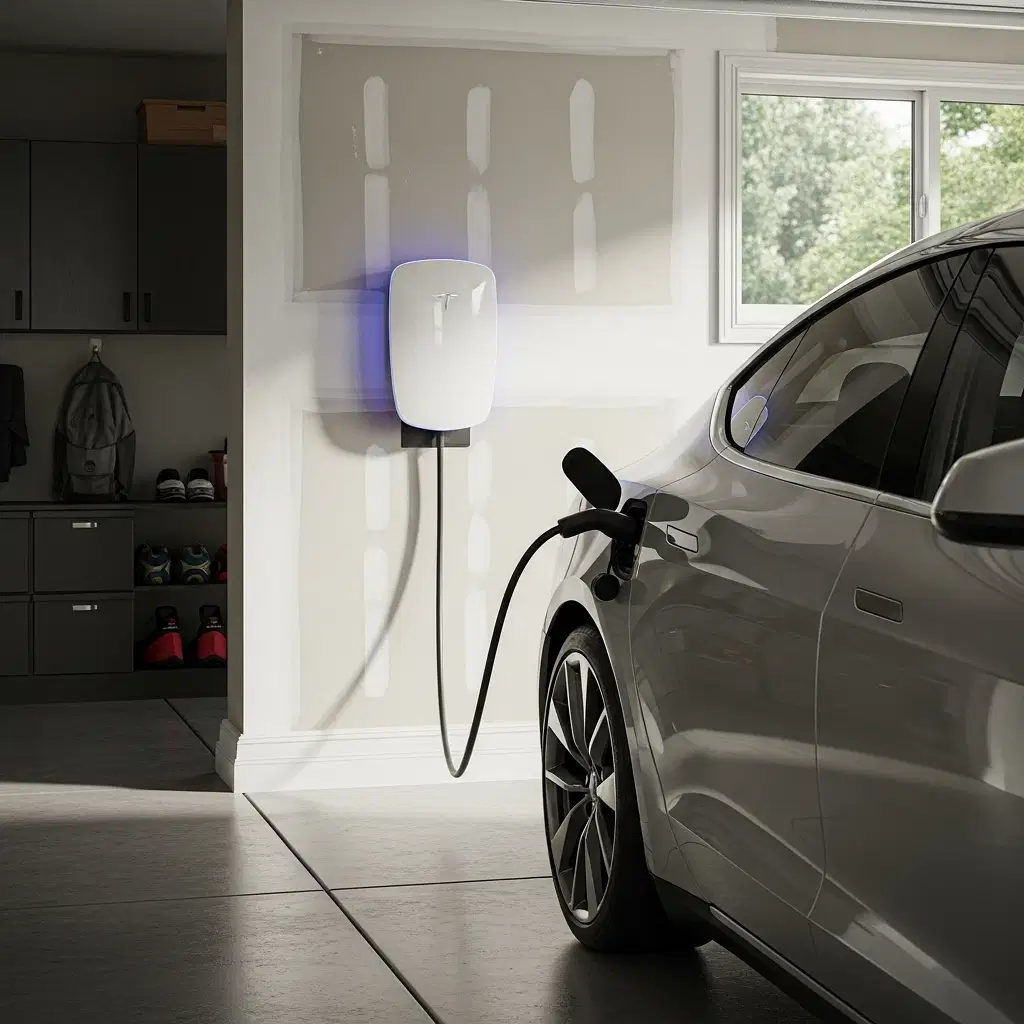
When clients ask us, "should i hardwire my level 2 charger?", we often lean toward a resounding yes for several key reasons, with safety and performance topping the list. A hardwired charger bypasses the wall outlet entirely and is permanently wired directly into your home's electrical panel.
The most significant advantage of a hardwired connection is power delivery. Plug-in chargers are typically limited to 40 amps to comply with safety regulations regarding continuous loads on a 50-amp circuit. A hardwired charger, on the other hand, can often deliver up to 48 or even 60 amps, providing a significantly faster charging speed and getting you back on the road quicker.
Hardwiring also eliminates the physical outlet, which is a common point of failure. Outlets can wear out over time with repeated plugging and unplugging, and the connection can loosen, creating dangerous heat resistance. By hardwiring the unit, you remove this weak link completely.
This method is particularly crucial for outdoor installations. If you live along The Shoreline, salty coastal air, heavy rain, and blowing snow can easily corrode exposed plug connections. A hardwired unit is fully sealed from the elements, offering superior weather resistance. Additionally, because the unit is hardwired and doesn't rely on an accessible receptacle, the NEC typically does not require a GFCI breaker for the circuit, effectively eliminating the frustration of nuisance tripping.
The primary downside to a hardwired system is its permanence. If you move, leaving the charger behind is often the most practical choice. Furthermore, if the unit itself fails down the line, you will need to call a professional for electrical repair or replacement, as you cannot safely disconnect it yourself.
Evaluating Your Home's Electrical Capacity
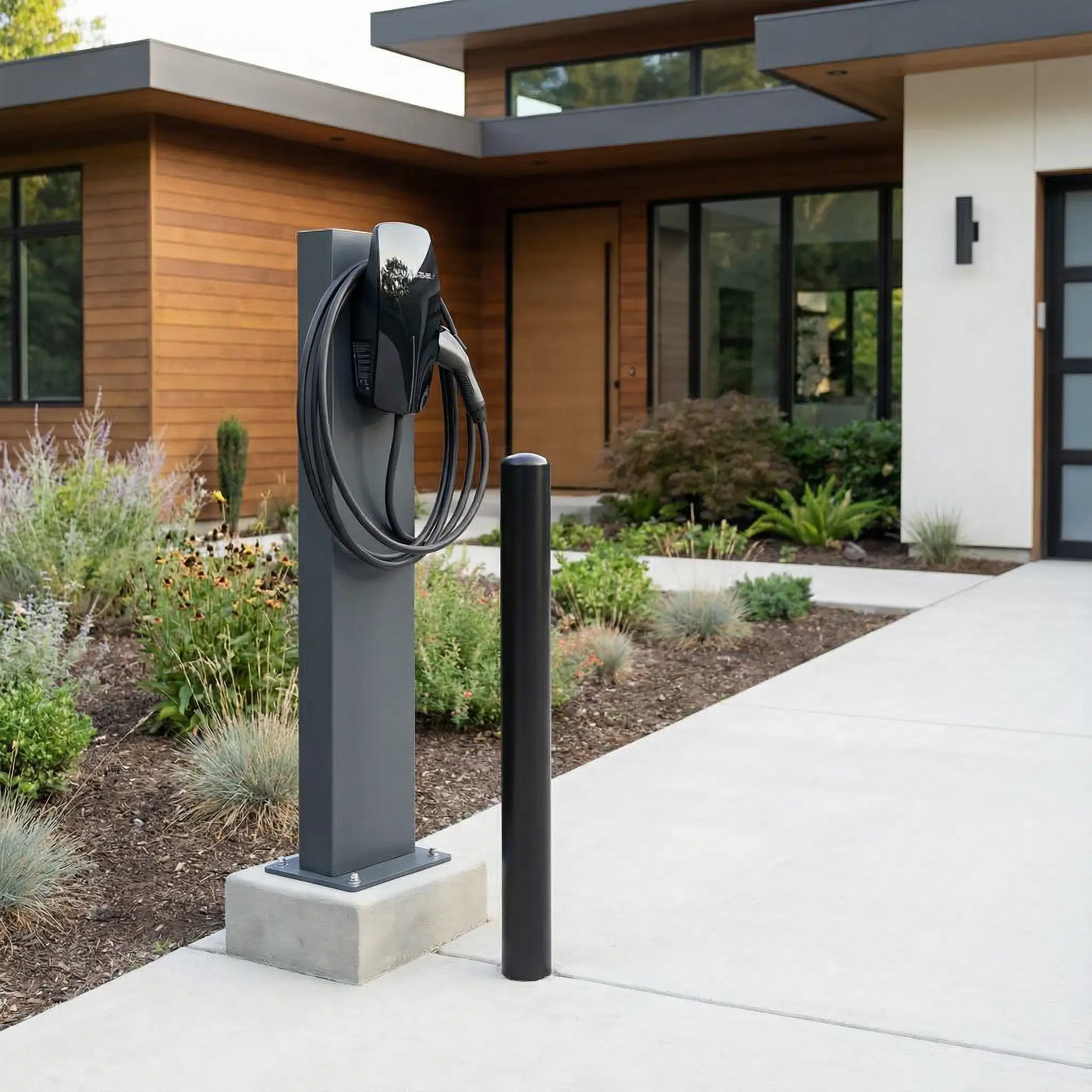
Whether you ultimately choose a plug-in or a hardwired system, the most vital step is ensuring your home has the proper infrastructure to support the new demand. Many beautiful, historic homes throughout the Litchfield Hills and surrounding communities still operate on older 100-amp electrical services. Adding a high-draw EV charger alongside your modern HVAC systems, electric heat pumps, and standard household appliances can easily overload an older system.
During our initial on-site assessment, our team performs a thorough load calculation of your home's electrical panel. If your current setup cannot safely accommodate the additional load, we will clearly outline the necessity for an electrical panel installation. Upfront, transparent pricing is a core part of our philosophy, so you will always know exactly what is required to make your home EV-ready without any hidden surprises.
It is also worth noting that upgrading your electrical infrastructure can be surprisingly affordable right now. Thanks to recent federal initiatives like the Inflation Reduction Act, homeowners may qualify for substantial tax credits when upgrading outdated electrical panels to accommodate energy-efficient home improvements like EV chargers and heat pumps.
Partner with Local Charging Experts
Deciding how to charge your vehicle at home comes down to your driving habits, where the unit will be mounted, and your home's unique power capabilities. Attempting DIY electrical work for something as demanding as a Level 2 charger is incredibly dangerous and can void your home insurance. It requires a deep understanding of code requirements, load balancing, and permitting.
At EV Charger Guys, our licensed professionals are dedicated to delivering meticulous, high-quality work that prioritizes your safety and passes inspection flawlessly the very first time. We handle everything from the initial consultation and pulling necessary local permits to the final testing of your new charging station.
Ready to maximize the convenience of your electric vehicle with a safe, reliable charging setup? Schedule your EV charger installation with our expert team today. Reach out and contact us to get started on your seamless transition to the future of driving.