How to Pass Your Residential EV Charger Electrical Inspection the First Time
Bringing home a new electric vehicle is an exciting milestone. The transition to electric driving promises lower fuel costs, reduced emissions, and the incredible convenience of waking up to a fully charged battery every morning. However, there is a crucial step between purchasing your vehicle and effortlessly plugging it in: installing a reliable home charging station. For many homeowners in Southbury and the surrounding communities, the most intimidating part of this process isn't picking the hardware, but navigating the electric vehicle charger permit requirements and the subsequent safety inspections.
Failing an electrical inspection can lead to frustrating project bottlenecks, delaying your ability to charge your vehicle at home. It can also create headaches with your local building department. The good news is that with the right preparation and professional execution, the approval process is smooth and stress-free. In this guide, we will walk you through exactly what inspectors look for, why certain electrical upgrades might be necessary, and how our meticulous approach ensures your system is compliant, safe, and ready for the future.
The Residential EV Charger Electrical Inspection Checklist
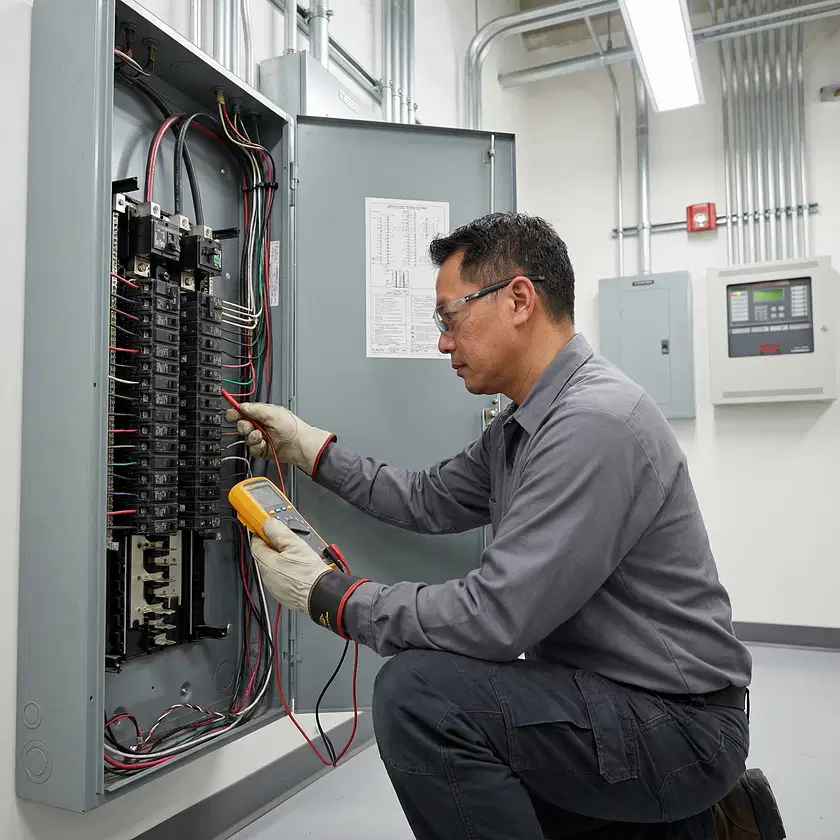
When a municipal inspector visits your home, they are primarily focused on safety and strict adherence to the National Electrical Code (NEC). Understanding their residential ev charger electrical inspection checklist can demystify the process. Inspectors will meticulously verify that the wire gauge used is appropriately sized for the amperage of your charger. If the wires are too thin, they can overheat and cause a fire.
They will also check the conduit routing to ensure wires are protected from physical damage, and they will confirm that all connections are torqued to the manufacturer's exact specifications. A common question we hear during this phase is, what is a GFCI outlet and where should they be installed? Ground Fault Circuit Interrupter (GFCI) protection is designed to prevent severe electrical shocks by instantly cutting power if it detects an imbalance in the electrical current. Depending on local codes and the specific type of charger setup you have in your garage or driveway, proper GFCI protection may be a mandatory element of the installation. Missing these specialized protections or using incorrect wire sizes are among the most common failed ev charger electrical inspection causes.
Why Your Electrical Panel is the Key to Success
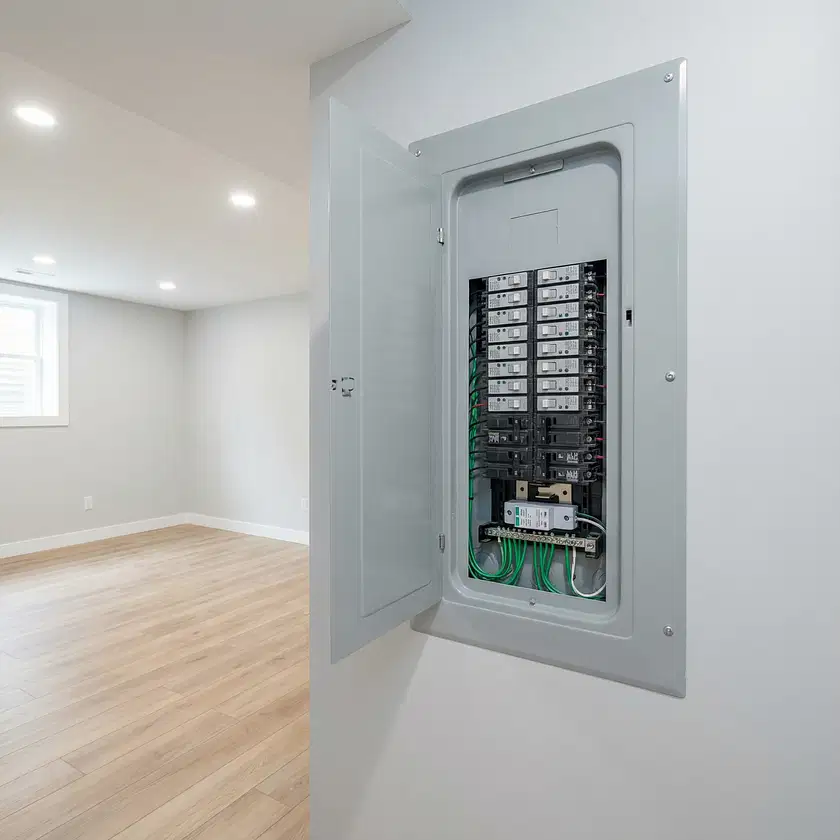
One of the biggest hurdles homeowners face when installing a new Level 2 charger is their existing electrical infrastructure. People frequently ask us, why do my circuit breakers keep tripping? Or they wonder, how do I know if my home's electrical panel needs an upgrade?
A Level 2 charger draws a continuous, heavy electrical load for several hours at a time. If you live in an older property with its original wiring, or if you already experience tripping breakers when you run the microwave and the air conditioner simultaneously, your panel likely lacks the capacity to safely handle this new demand. Pushing an outdated panel beyond its limits is dangerous and is a classic warning sign of faulty or dangerous electrical wiring if ignored.
In many cases, especially in historic properties across the Litchfield Hills, foundational Electrical Panel Upgrades are an absolute necessity before an EV charger can be legally installed. Upgrading your service not only ensures you pass inspection but also prepares your home for other modern energy solutions like smart home automation and heat pump systems.
The Dangers of DIY and Unpermitted Work
With a wealth of video tutorials available online, a question we get far too often is, is it safe to do my own DIY electrical work? When it comes to high-voltage equipment like an EV charging station, the answer is a definitive no. DIY electrical work is not only incredibly dangerous, but it also virtually guarantees you will fail your inspection—assuming you even pulled the required permits in the first place.
Skipping permits to save a few dollars upfront is a major liability. Unpermitted work can void your homeowner's insurance policy, create severe fire hazards, and cause massive headaches if you ever decide to sell your house. Homeowners sometimes ask how much it costs to rewire a house in the US after a botched DIY job causes extensive damage. Doing it right the first time with a licensed professional who provides transparent, upfront pricing with no hidden fees is always the most cost-effective and secure route.
The EV Charger Guys Difference
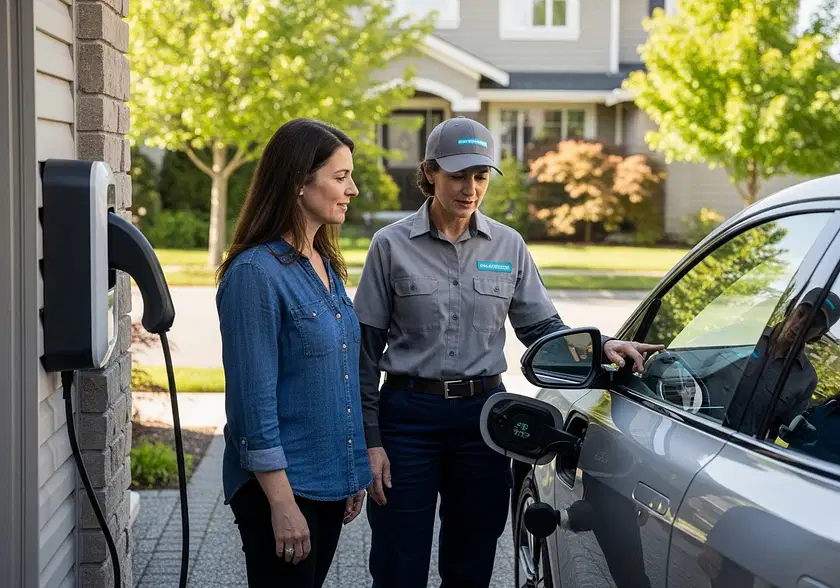
At EV Charger Guys, our core philosophy centers on delivering high-quality, reliable work through a meticulous approach. We prioritize neatness, exact code compliance, and ensuring your project passes inspection flawlessly the very first time. We know that inefficient scheduling and vague arrival windows are a major frustration for homeowners, which is why we pride ourselves on reliability and clear communication from start to finish.
Our process begins with an initial on-site consultation to evaluate your current electrical capacity and determine the best location for your charger. We handle all the permitting paperwork on your behalf and provide a clear quote that breaks down materials and labor. Furthermore, proper, permitted installation is often a strict requirement to qualify for the latest Inflation Reduction Act (IRA) tax credits and local utility rebates. By strictly adhering to NEC updates and prioritizing safety, we ensure you can take full advantage of these financial incentives without any regulatory roadblocks.
Ready to Power Your Future?
Transitioning to an electric vehicle is a smart, sustainable choice. Making sure your home is equipped to charge it safely shouldn't be a source of stress. By partnering with dedicated, highly-rated professionals who respect your time and your property, you can bypass the common pitfalls of electrical inspections entirely.
We are incredibly proud to serve our fellow Nutmeggers, providing the expertise needed to modernize your home safely. Whether you are ready for a complete EV Charger Installation or you need to start with an assessment for a service upgrade, our team is here to help. Contact us today to schedule your consultation and take the first step toward seamless, worry-free home charging.